Fire Safety in the Home: Essential Advice for Homeowners and Buyers
- May 31
- 3 min read

Fire safety is something that every homeowner should take seriously. Whilst many fires can be prevented through simple precautions and regular maintenance, thousands of residential fires occur across the UK each year, causing significant damage to property and, in some cases, loss of life.
Whether you're a homeowner, landlord, or prospective buyer, understanding common fire risks can help protect both your property and the people living within it.

Why Fire Safety Matters
A fire can spread rapidly, often causing extensive damage in a matter of minutes. Beyond the immediate danger, fire can lead to costly repairs, disruption to daily life, and difficulties when selling or insuring a property.
Many fire risks can be reduced through regular checks, good housekeeping, and ensuring that safety systems are functioning correctly.
Install and Test Smoke Alarms
Smoke alarms are one of the simplest and most effective ways to protect your home.
Homeowners should:
Install smoke alarms on every floor of the property.
Test alarms regularly, ideally once a month.
Replace batteries when required.
Replace smoke alarms in accordance with the manufacturer's recommendations.
Early warning can provide valuable time to evacuate safely and contact the emergency services.
Be Aware of Electrical Hazards
Electrical faults are a common cause of residential fires.
Potential warning signs include:
Flickering lights
Scorch marks around sockets
Frequent tripping of circuits
Damaged cables and plugs
Overloaded extension leads
Older properties may contain outdated electrical installations that no longer meet modern standards. If concerns exist, a qualified electrician should be instructed to carry out an Electrical Installation Condition Report (EICR).
Avoid Overloading Sockets
Modern households often rely on multiple electrical devices, but overloading sockets can increase the risk of overheating and fire.
To reduce the risk:
Avoid plugging too many appliances into one outlet.
Use extension leads responsibly.
Check the manufacturer's guidance on electrical loading.
Unplug appliances when not in use where appropriate.
Take Care in the Kitchen
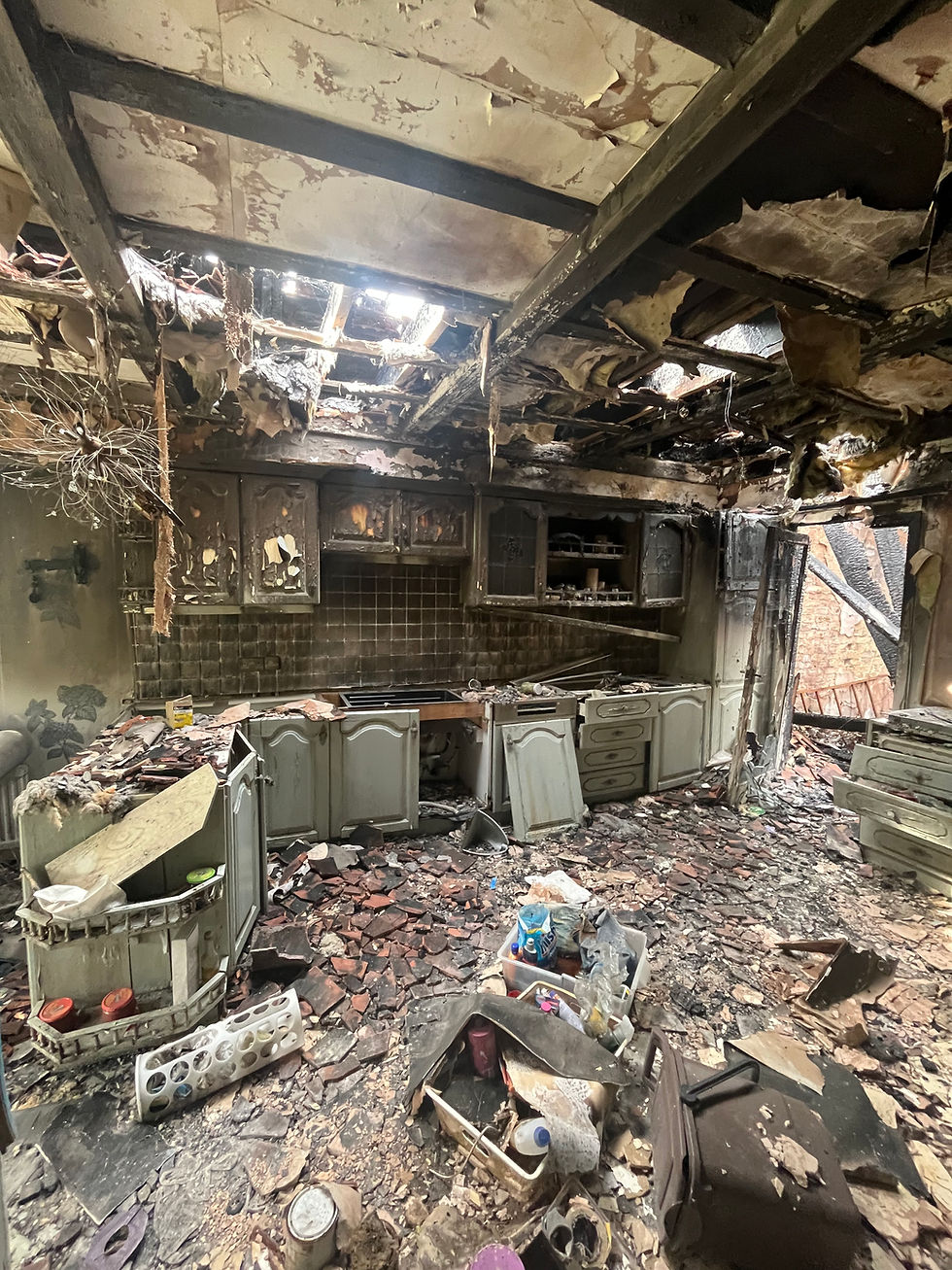
The kitchen remains one of the most common locations for domestic fires.
Simple precautions include:
Never leaving cooking unattended.
Keeping combustible materials away from hobs.
Cleaning grease and cooking residue regularly.
Taking care when using deep-fat fryers.
Keeping tea towels and paper products away from heat sources.
Many kitchen fires start due to distraction or unattended cooking.
Chimneys, Fireplaces and Solid Fuel Appliances
Properties with open fires, wood-burning stoves, or solid fuel appliances require regular maintenance.
Homeowners should:
Have chimneys swept regularly.
Ensure flues are functioning correctly.
Use appliances in accordance with manufacturer guidance.
Store fuel safely away from heat sources.
Poorly maintained chimneys can increase the risk of chimney fires and smoke-related issues.
Fire Safety in Loft Spaces
Loft spaces can contain electrical wiring, insulation, and stored belongings that may increase fire risk.
When inspecting properties, surveyors occasionally identify:
Exposed electrical wiring
Unsafe electrical alterations
Excessive storage around heat-producing equipment
Inadequate fire separation
Loft spaces should remain accessible and free from unnecessary combustible materials wherever possible.
Develop a Fire Escape Plan
Every household should know what to do in the event of a fire.
Consider:
Identifying escape routes.
Keeping exits clear.
Ensuring keys are readily accessible.
Agreeing a meeting point outside the property.
Practising the plan with family members.
Having a clear plan can save valuable time during an emergency.
Fire Safety Considerations When Buying a Property
When purchasing a home, fire safety should form part of your overall assessment of the property's condition.
A survey may identify issues such as:
Outdated electrical installations
Missing or inadequate fire separation
Alterations that could affect fire safety
Defects within roof spaces
Concerns relating to heating appliances or chimneys
Whilst a property survey is not a specialist fire risk assessment, it can highlight visible concerns that warrant further investigation.
How a Property Survey Can Help
A professional survey provides valuable insight into the condition of a property and may identify defects or maintenance issues that could have safety implications.
At Blackwater Surveyors, we regularly identify concerns relating to:
Electrical installations
Chimney defects
Alterations and extensions
Loft conversions
General maintenance and repair issues
Understanding these concerns before purchasing a property allows buyers to make informed decisions and budget appropriately for future works.
Why Choose Blackwater Surveyors?
Blackwater Surveyors is an independent RICS Regulated surveying practice providing professional property surveys throughout Essex and East London.
We offer:
RICS Level 2 Home Surveys
RICS Level 3 Building Surveys
Residential Valuations
Clear, easy-to-understand reports
Independent professional advice
Our aim is to help buyers understand the condition of a property and identify potential risks before committing to a purchase.



Comments